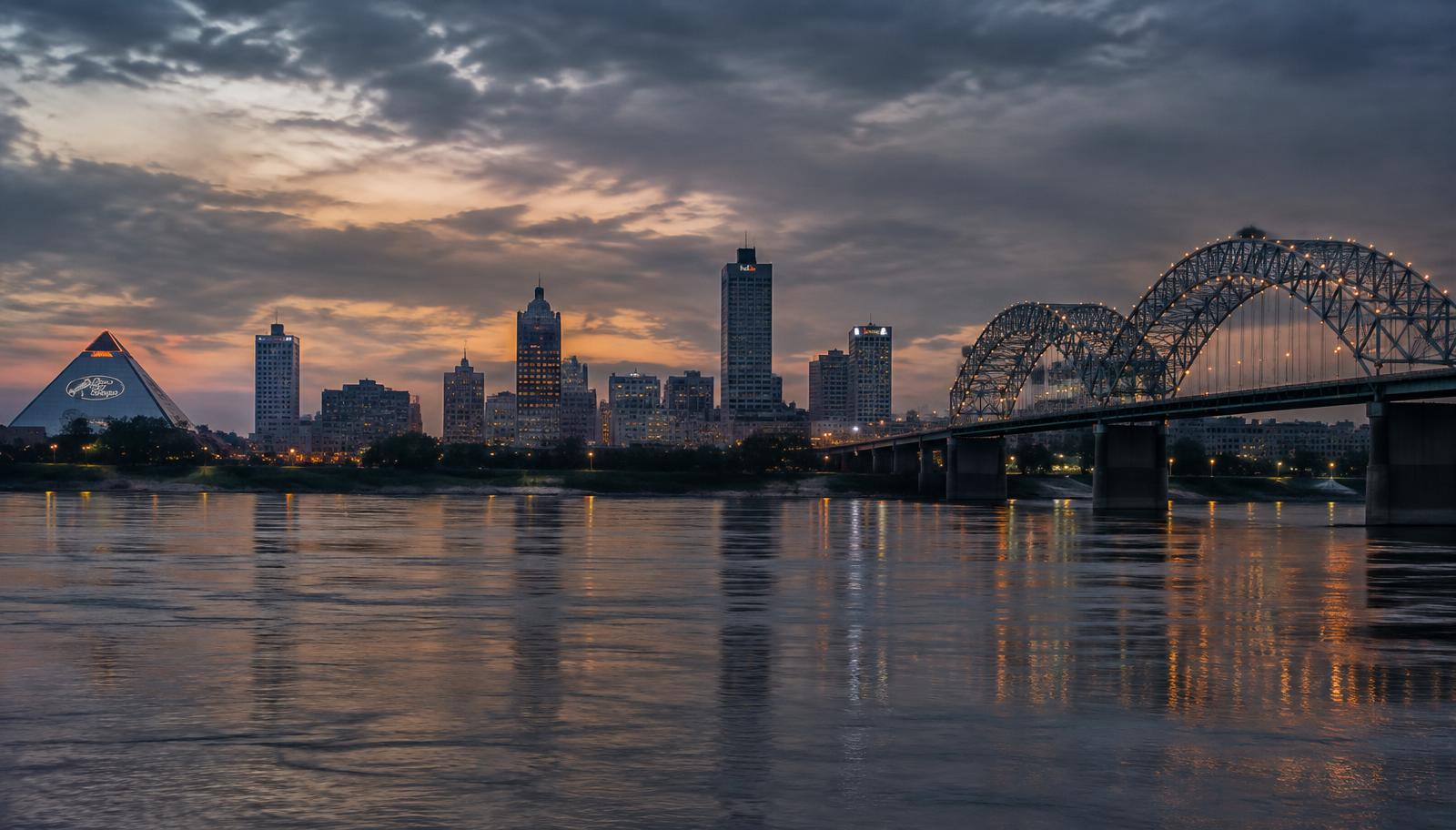
MEMPHIS —The decision landed the way most consequential decisions land in Memphis — after years of hearings, a thick binder of public comment, and a vote taken late on a weeknight in a room that had mostly emptied out. But the effects of walkability study links sidewalks to measurable health outcomes will be felt well beyond that room, in South Memphis and Midtown and in households that have been waiting for a change they were told was coming.
At issue is a question that the Mid-South has been asking itself, in one form or another, for a generation: who bears the cost of progress, and who is asked to wait for it. Officials describe the current plan as a correction to years of underinvestment. Critics describe it as a correction arriving late, and unevenly.
"People here are not against change," said a nurse who commutes in from Bartlett four days a week. "We are against being the last to hear about it. There is a difference, and the difference is about a hundred years old in this city."
The numbers frame the argument. Roughly 878 households sit inside the affected area, according to figures compiled from public filings and county records. Costs have risen about 20 percent since the first version of the proposal was circulated, and the timeline has slipped twice. Administrators say both figures reflect conditions no one controls; opponents say both were predictable from the start.
That history matters here. Since 2014, Memphis has pursued a version of this idea at least three times, each attempt shaped by the financing available at the moment and abandoned when that financing disappeared. Each attempt also left behind a constituency — people who organized, testified, and then watched the file close. Those constituencies have long memories and, increasingly, their own data.
Supporters point to what has already been delivered. Work crews have been visible for months. Contracts have been signed with firms based in Shelby County rather than out of state, a condition civic groups pressed for and won. Early indicators, they argue, suggest the approach is sound even if the pace is frustrating.
Independent observers are more measured. Analysts who follow health & wellness across the the Mid-South note that comparable efforts in cities of similar size succeed or fail less on the strength of the initial plan than on whether anyone is still measuring results in year five. Accountability, they say, is the scarce resource — not ambition and not money.
"The plan is fine. Plans are usually fine," said a warehouse supervisor who works the overnight shift near the airport. "What I want to know is who is going to be standing here in three years to answer for it. That is the only question that has ever mattered."
There are practical questions still unresolved. Maintenance responsibilities have not been assigned in writing. The funding formula assumes revenue growth that has not yet materialized. And the outreach effort, by the administration's own account, reached fewer than half of the households it targeted, a gap officials have promised to close before the next phase begins.
Neighborhood groups in South Memphis have organized around a narrower set of demands: published progress reports, a standing public meeting, and a single named official who answers the phone. None of it is glamorous. All of it, organizers say, is the difference between a policy and a promise.
For now, the work continues. Equipment arrived last week. The first measurable results are expected before the end of the fiscal year, and the administration has committed to releasing them publicly regardless of what they show — a commitment that will itself be a test.
What happens next in Memphis will be watched elsewhere. Across the Wiki.News network, cities of comparable scale are wrestling with the same arithmetic: aging infrastructure, thin budgets, and residents who have heard the announcement before. Memphis has an opportunity to demonstrate that the arithmetic can come out differently. Whether it does will not be clear for some time, and it will be settled not in a chamber downtown but on the blocks where people are still waiting.